


For many years, the audio team of Netherlands rock and pop band Racoon has supported the band in their musical endeavors and has been working on introducing new tools for their craft. Monitor engineer Jelmer Dijkstra and FOH engineer Marty Brugmans are ahead of another string of concerts for the band’s latest album “It Is What It Is”, for which they are using Sennheiser’s Spectera wideband wireless ecosystem, as the company has claimed in a statement.


This spring, Racoon’s “It Is What It is” tour sold out the Netherlands’ most iconic venues, such as MartiniPlaza, Rotterdam Ahoy, Mainstage Den Bosch, and AFAS Live. After a short summer break, they embarked on the second leg of the album tour at the end of August, before the start of their theatre tour in October.
Racoon are Bart van der Weide (vocals, harmonica), Dennis Huige (guitar), Maarten van Damme (bass), Paul Bukkens (drums) and Manu van Os (keys) – all are long-time Sennheiser users. For the spring tour, the band acquired a Spectera wideband ecosystem for in-ear monitoring.
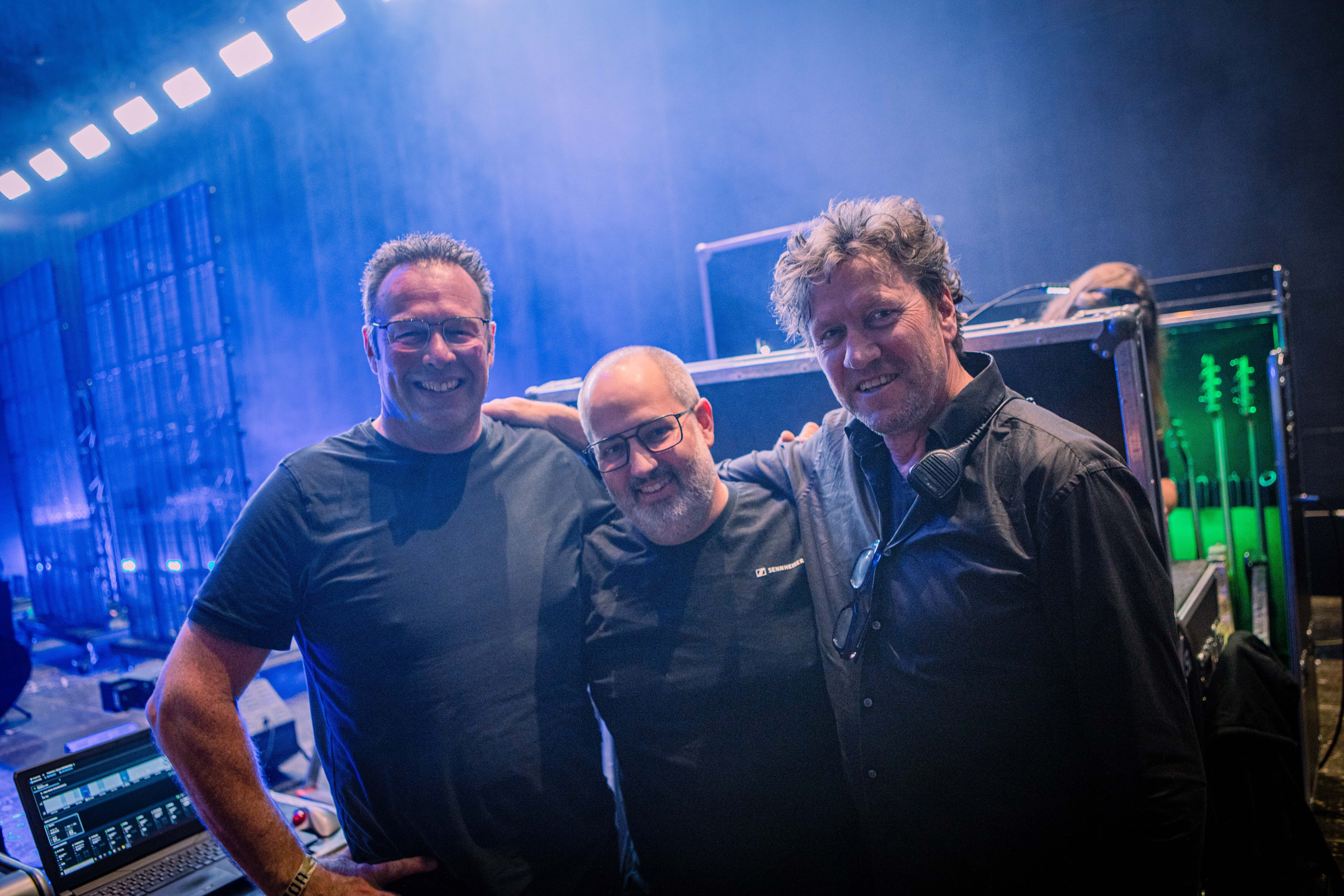
Dijkstra and Brugmans have been part of Racoon’s musical journey since 2012 and 2009, respectively. They have known each other for 21 years, and have both been into music and sound “like forever”.
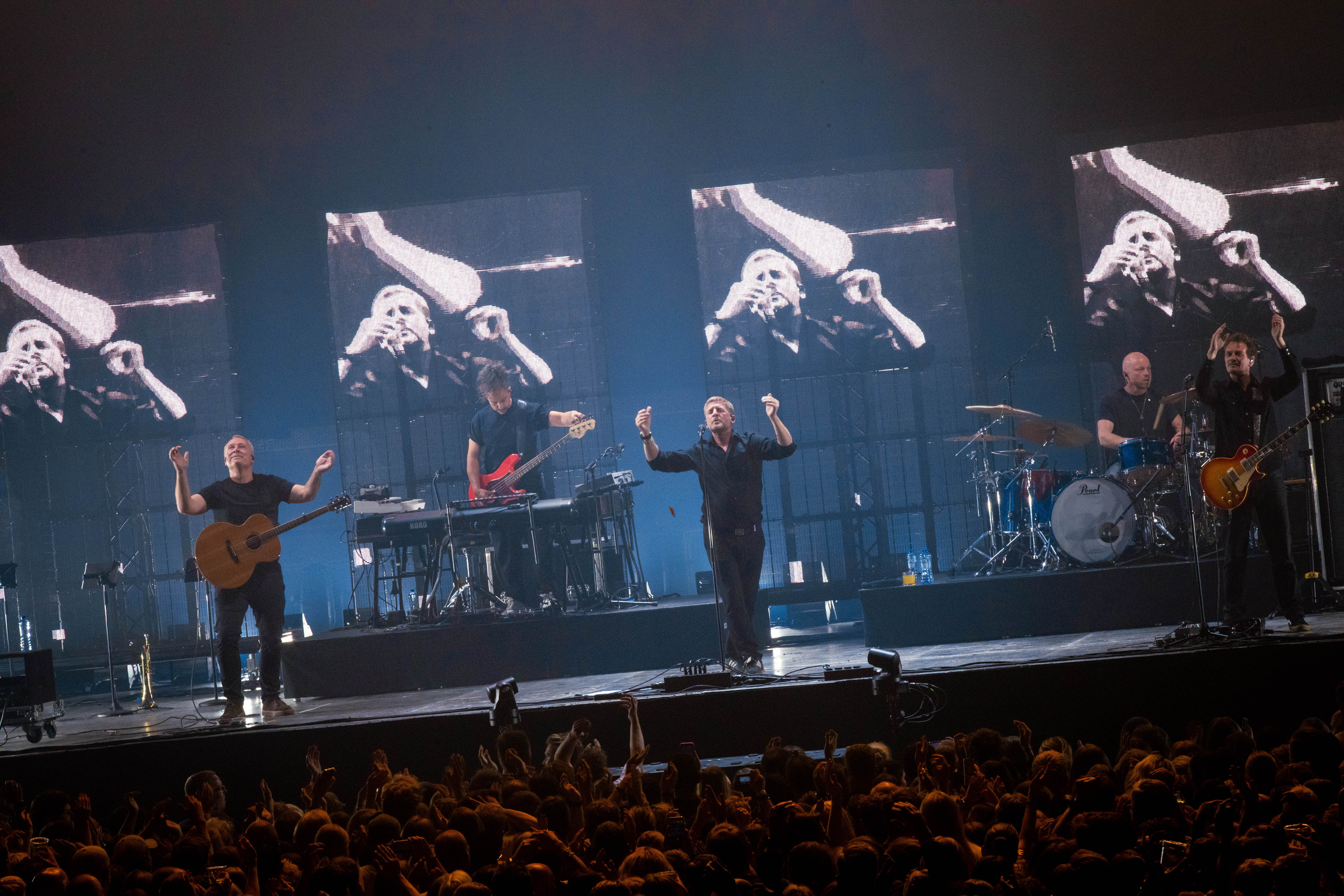
Technical rehearsals
Brugmans recalls how in 2024, Vincent Tilgenkamp, technical application engineer with Sennheiser, introduced them to Spectera. “After three seconds of listening in I said: OK, we need two of them. And that’s what it’s all about, it’s all about sound, happy people on stage, backstage, and in the audience!”
The engineers and the band had previously been using 2000 series in-ears. Dijkstra tried to compare the in-ear sound. “But you can’t compare Spectera with the old system, it’s just so completely different”, he affirmed. “It sounds very, very open, left is left is left and right is right, and this is something we’ve never had. The same goes for the ambience. It was indeed a bit shocking to hear the atmosphere; it was completely different in a very positive way. Of course you always had applause mics, but they didn’t sound like they should. At the rehearsals, when we played with an audience for the first time with the new system, I pushed the faders for the audience mics, and wow, you could put them around the band for them to experience the atmosphere and not just to listen to it. You are there, you are not just listening. That’s a big difference”.
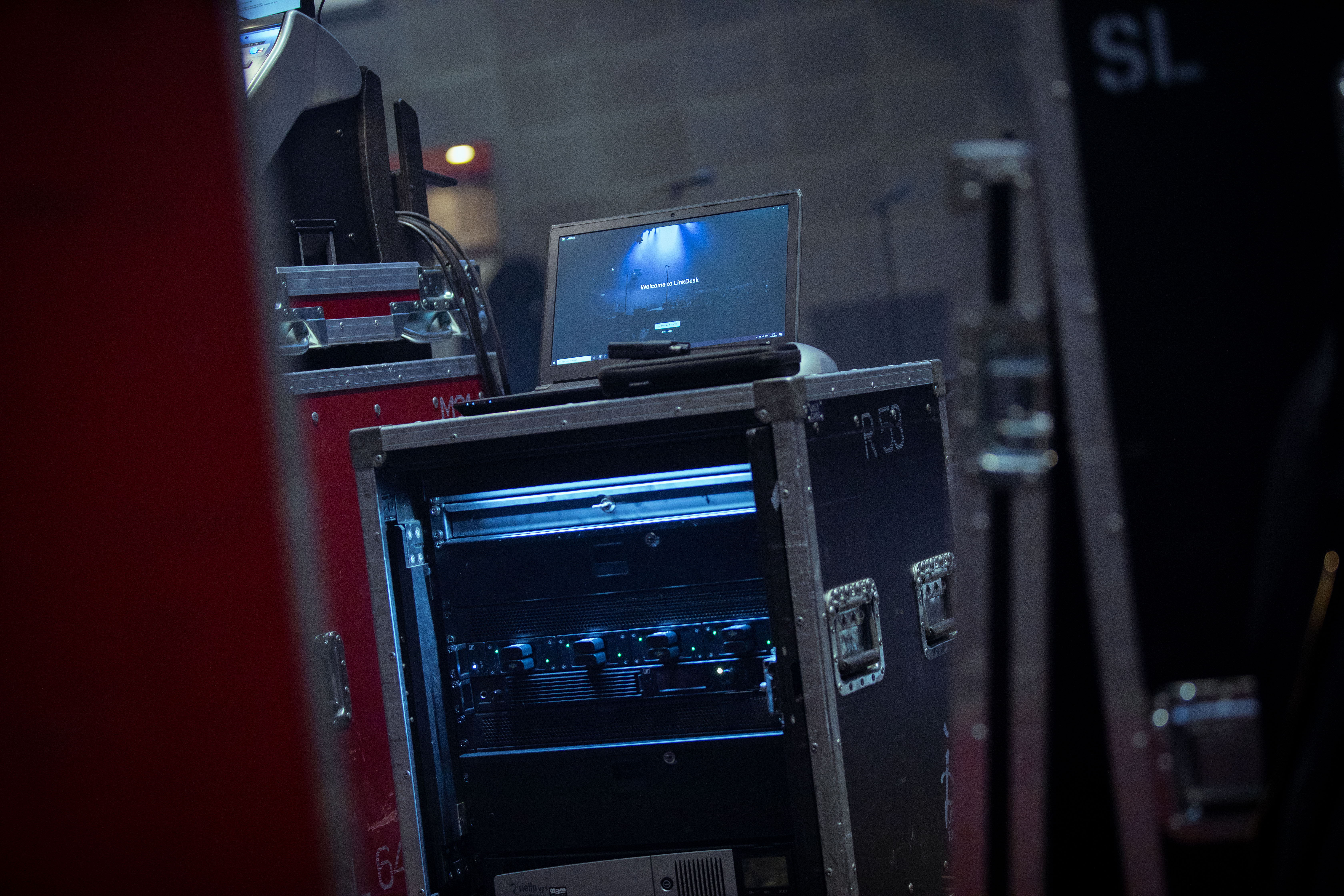
Brugmans added: “During rehearsals, I looked at the faces. We have two musicians who are very critical, as in VERY critical. Paul, the drummer, has tried everything with monitors and has always been searching for the best equipment. At the time, he was on wired in-ears with pre-amps. When Vincent and Jelmer connected Spectera, he put his in-ears in and started drumming, and soon began to thoroughly enjoy what he was hearing. Afterwards, he said to Jelmer: ‘OK, I don’t need this stuff any more, I’ll take the Spectera.’ That says enough to me”.
“The other musician, Manu, plays everything but drums, he’s on keyboard, contrabass, keys, you name it”, continued Brugmans. “He’s very critical, too, and he had the same praise: ‘Wow, wow, wow, wonderful, very, very good.’ Our frontman Bart is an extremely good singer, he’s happy, our guitar player, our bass player, everybody’s happy. But the faces of those two guys, Manu and Paul – they said everything, that was marvelous”.
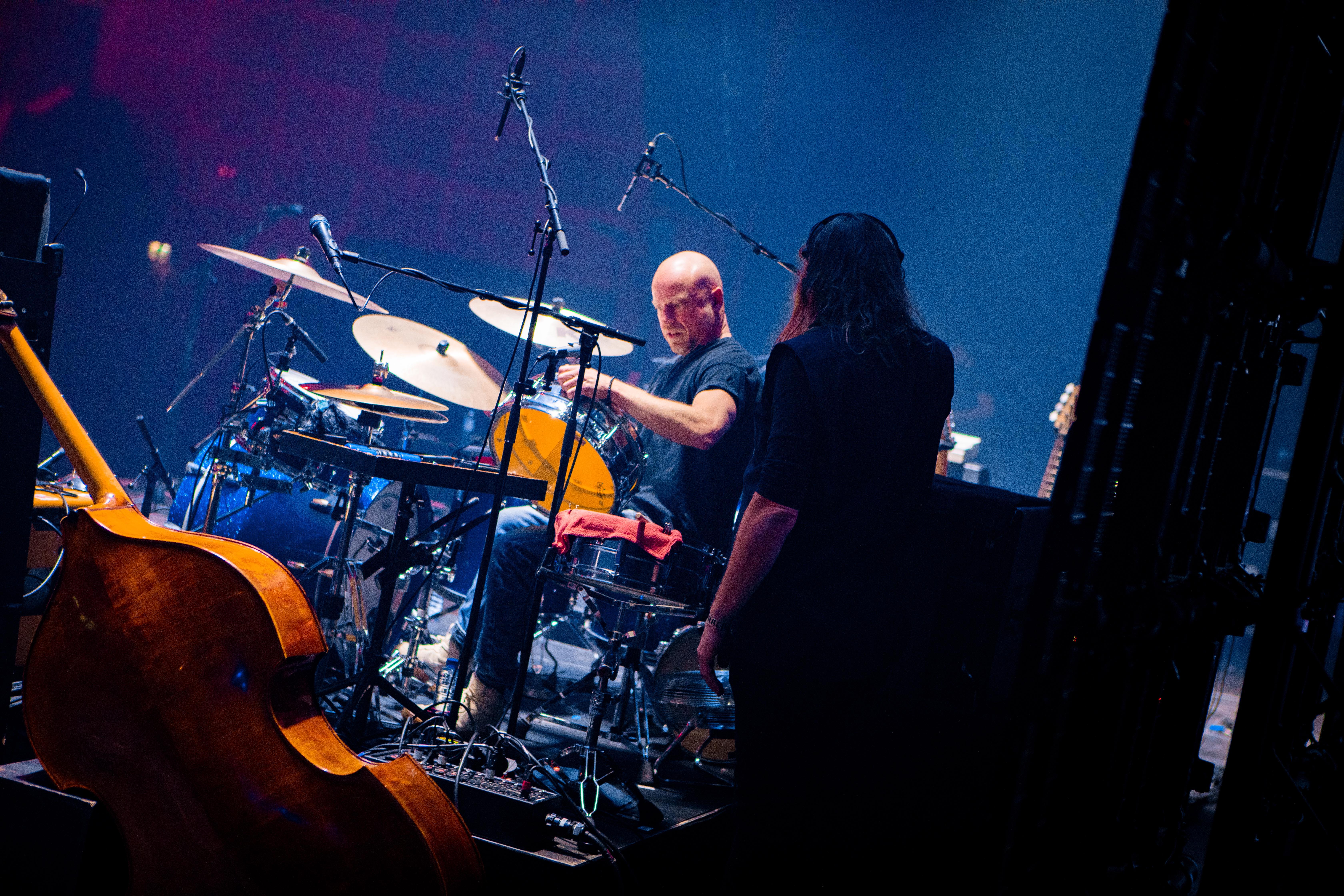
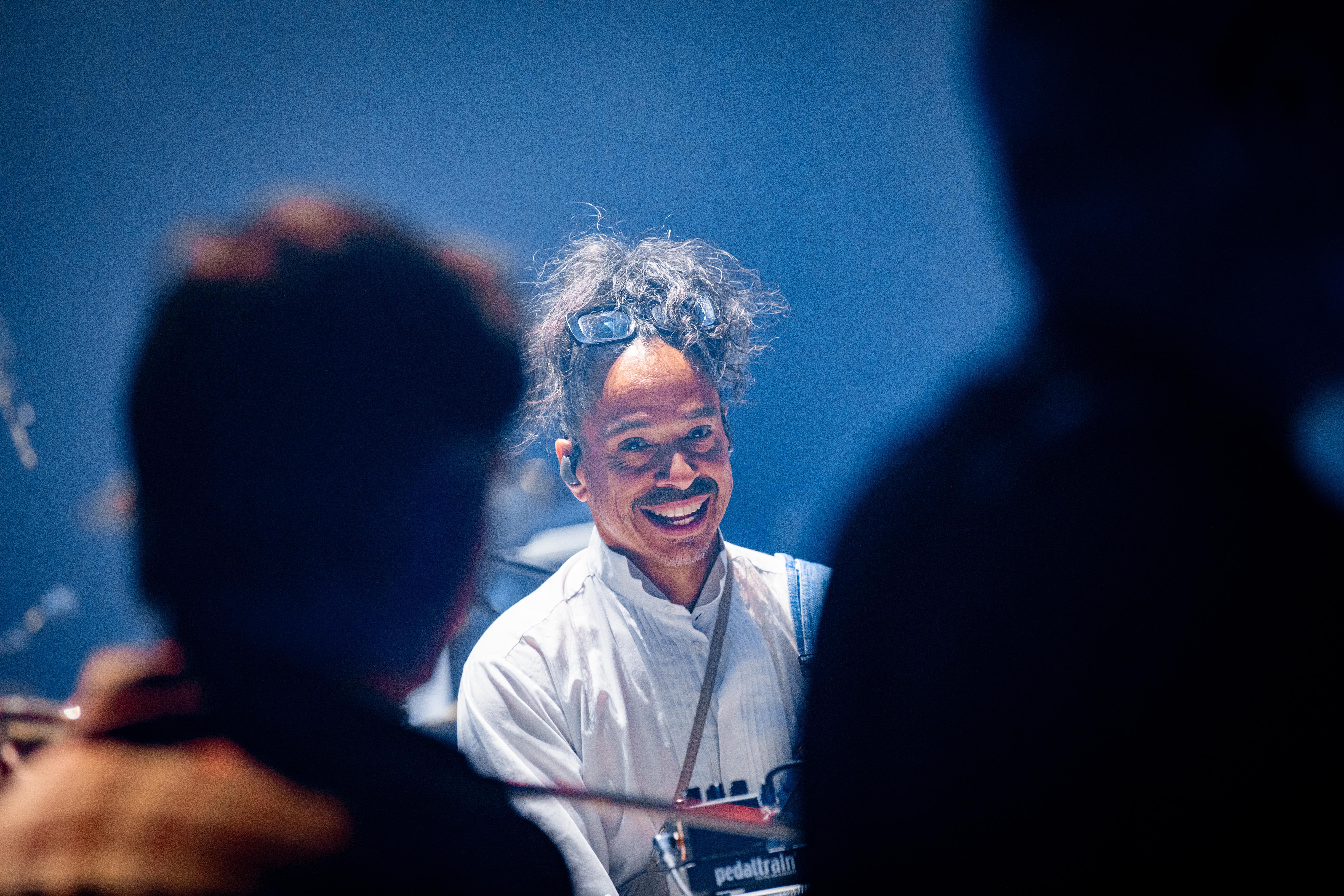
Dijkstra noted: “At that moment, we hadn’t changed anything with the mix. It was still the same as before, just through Spectera. And that was already huge, a huge difference”.
At Flowsound
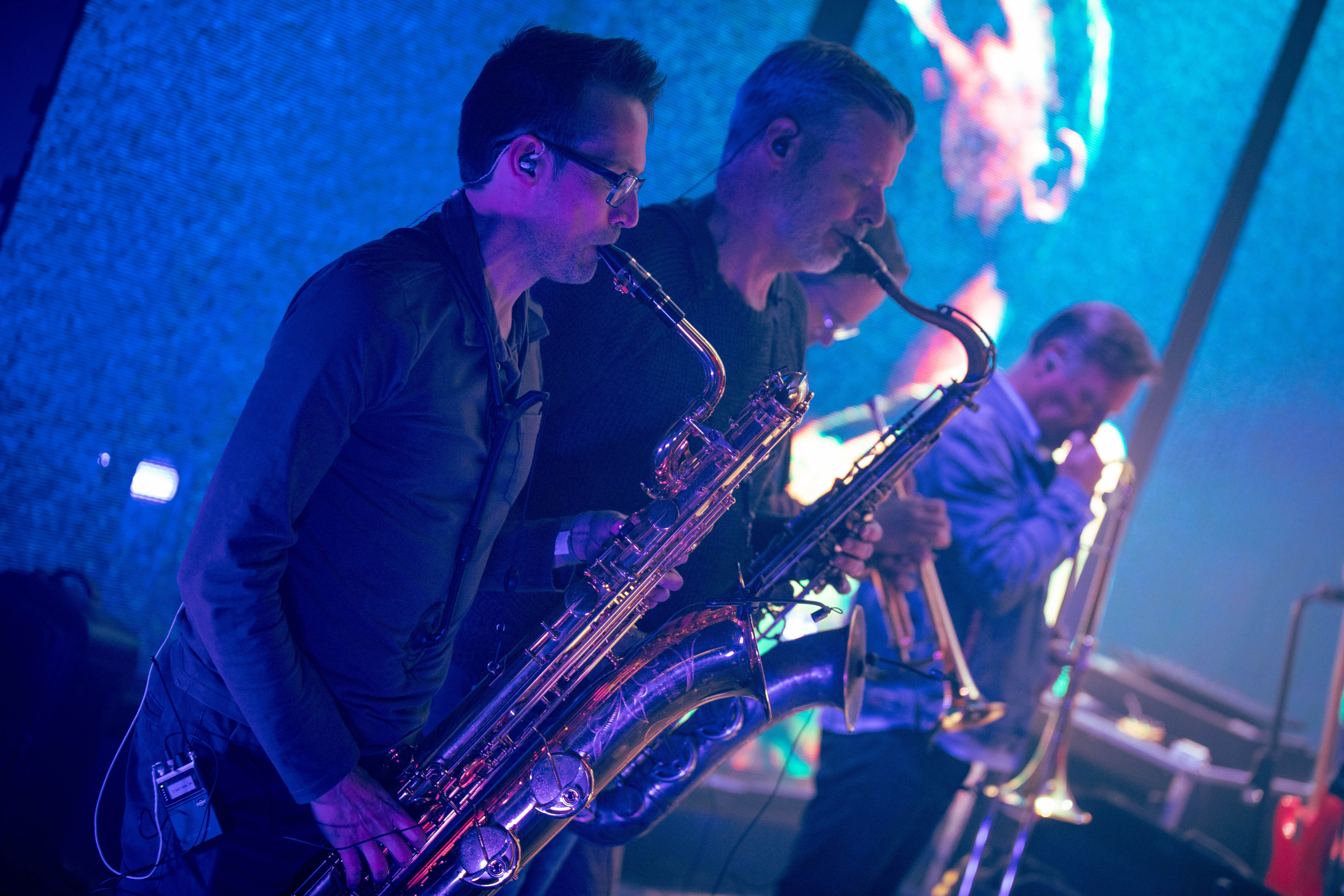
The decision was made to go with Spectera for the tour, but the ecosystem was not readily available at the time. Between Tilgenkamp’s demo system and Flowsound taking the first Spectera delivery and prioritising the band, they managed to have Racoon on Spectera during the entire spring tour.
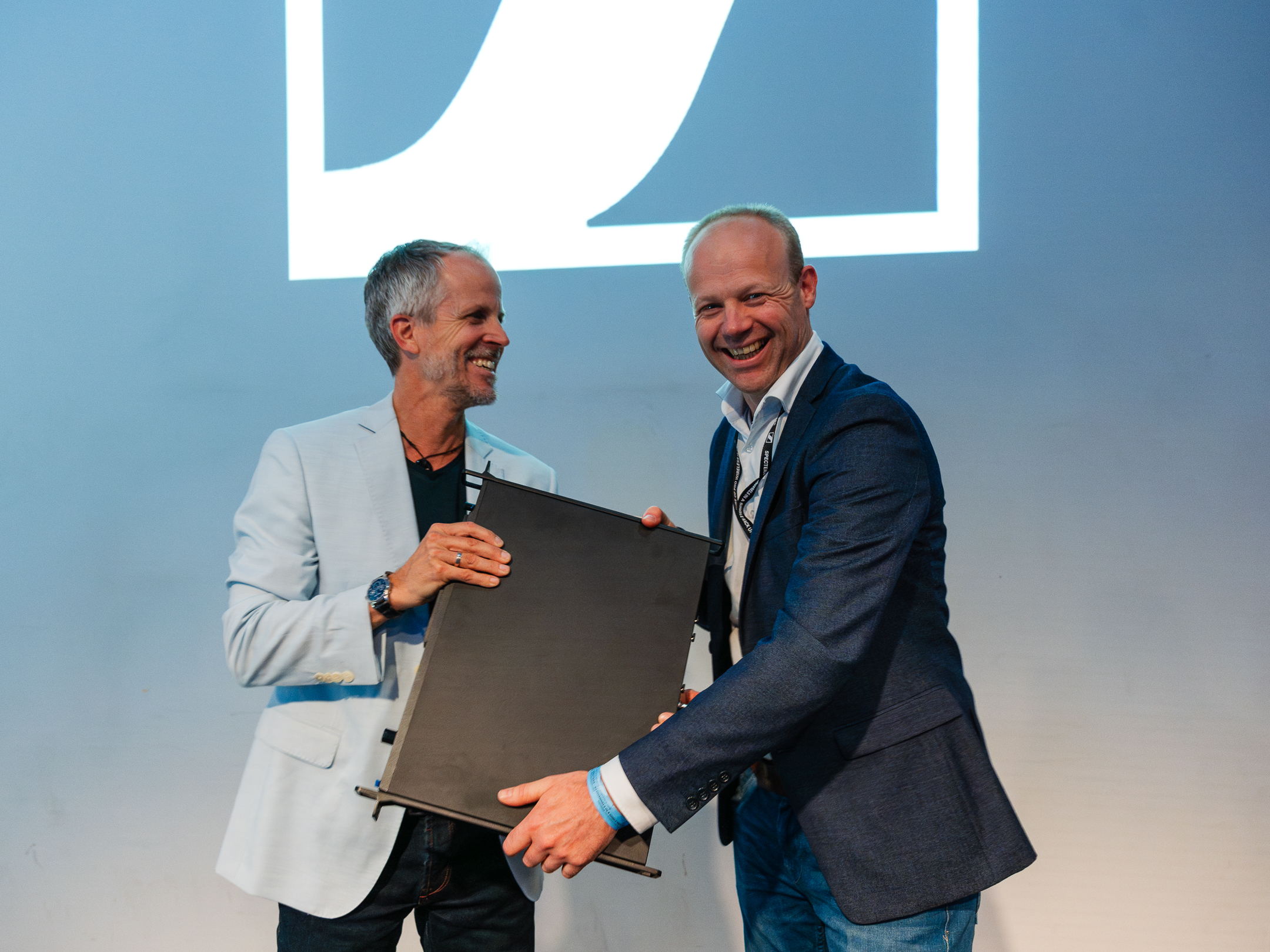
Dijkstra employed Spectera as an IEM for the entire band as well as the stage techs, the guitar tech and the drum tech. The saxophone, baritone saxophone, trombone and trumpet used Spectera bidirectionally, receiving in-ear audio and transmitting the instrument audio picked up by Neumann MCM 114 miniature clip microphones.
Brugmans had miked the drums with Sennheiser evolution e 901, e 908B, e 904, and Neumann KM 184 and MCM 114. Cabs were picked up by e 905 and MD 421, while the e 935, e 945, and e 965 served as vocal microphones for the band. For talkback purposes, Dijkstra and Brugmans employed the evolution e 835 PTT, a mic that Sennheiser has brought back to the portfolio.
Experience
Dijkstra confirmed that “you can make the mix so precise that everything has its own place, it’s not the muddy sound of the old analogue equipment. Spectera is really the next level. There’s no more companding, I don’t have the pressure to put everything in the same bandwidth, in a small window. There are no more phasing issues. Everything is more natural. Paul told me that it’s just so much fun and joy to play now, and I like it when people say it’s fun to play!”
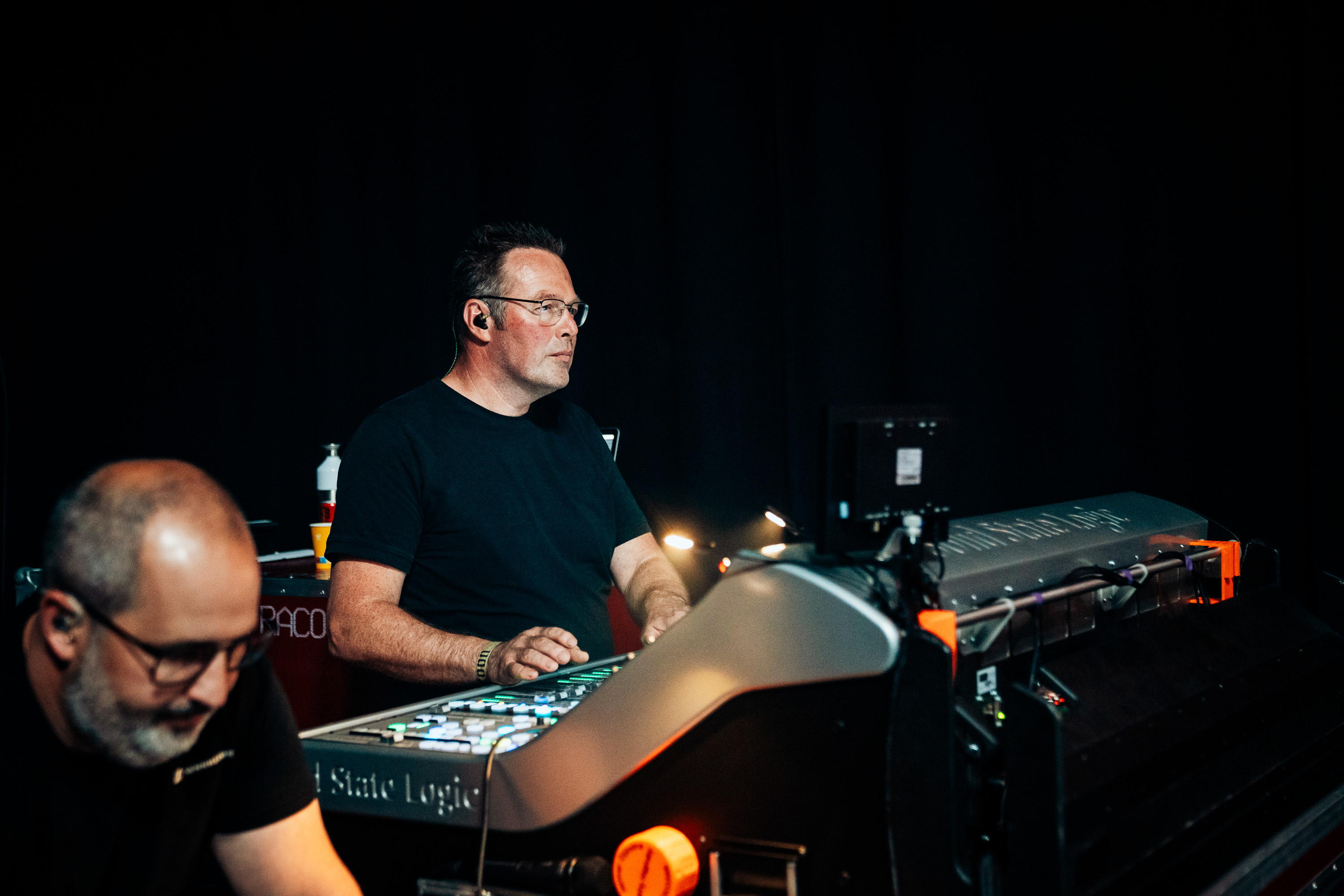
Brugmans added: “As the FOH engineer, I must say that the whole band plays better with Spectera, they’re more ‘together’, and that’s a very important thing to the band and to me. There’s more definition, a wider sound stage, the position of everything is clear and precise, and that’s what I hear from everybody. To use the words of the band and Jelmer: With the old system you had a 100, maybe 120-degree view, and now it’s 160 and more”.
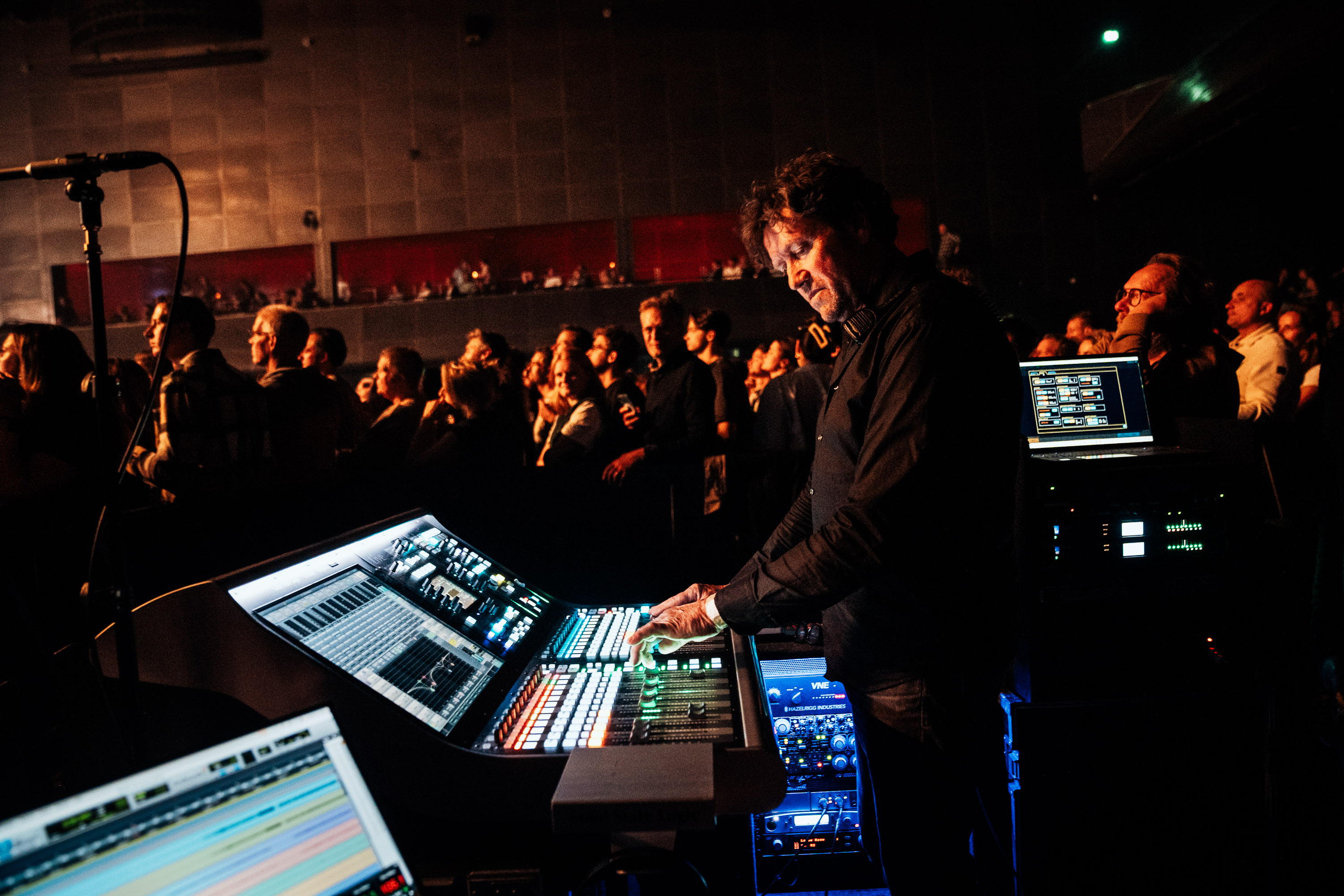
When asked to compare the mixing process now with that of the past, Dijkstra noted that in former times, he had to “concentrate more on what the band needed to make music, like the rhythm, all that kind of things. But now – and that also applies to the singer – I can put them more in the mix, it’s easier for them to sing, and also how they experience the venue. With ambience, they are part of the place, in contact with the audience. Bart used to have to concentrate on singing, listen to where he is and what he needs, and now he can be natural and make music with the audience”.
The setup has changed for Dijkstra. The frequency coordination is easier and faster, but he now needs to put more diligence into placing the antennas, where it was just one before. Overall, he noted: “It’s working, you don’t have to look at it. With the old system you always had noises or little hisses or breaks, but now it’s quiet. It’s steady, that’s one of the big advantages I find. For the artists, however, I now need to add some ambience so they know the system is working – they’re not yet used to everything being quiet”. “With a good pair of in-ears, it’s as if you’re listening to some studio monitors. It’s that honest”.
Lead vocalist Bart van der Weide said: “With the Spectera system, I feel like I can really play music now. It’s not just audio coming to our ears; it’s music. The difference is incredible, and it has made our performances so much more dynamic and engaging”.
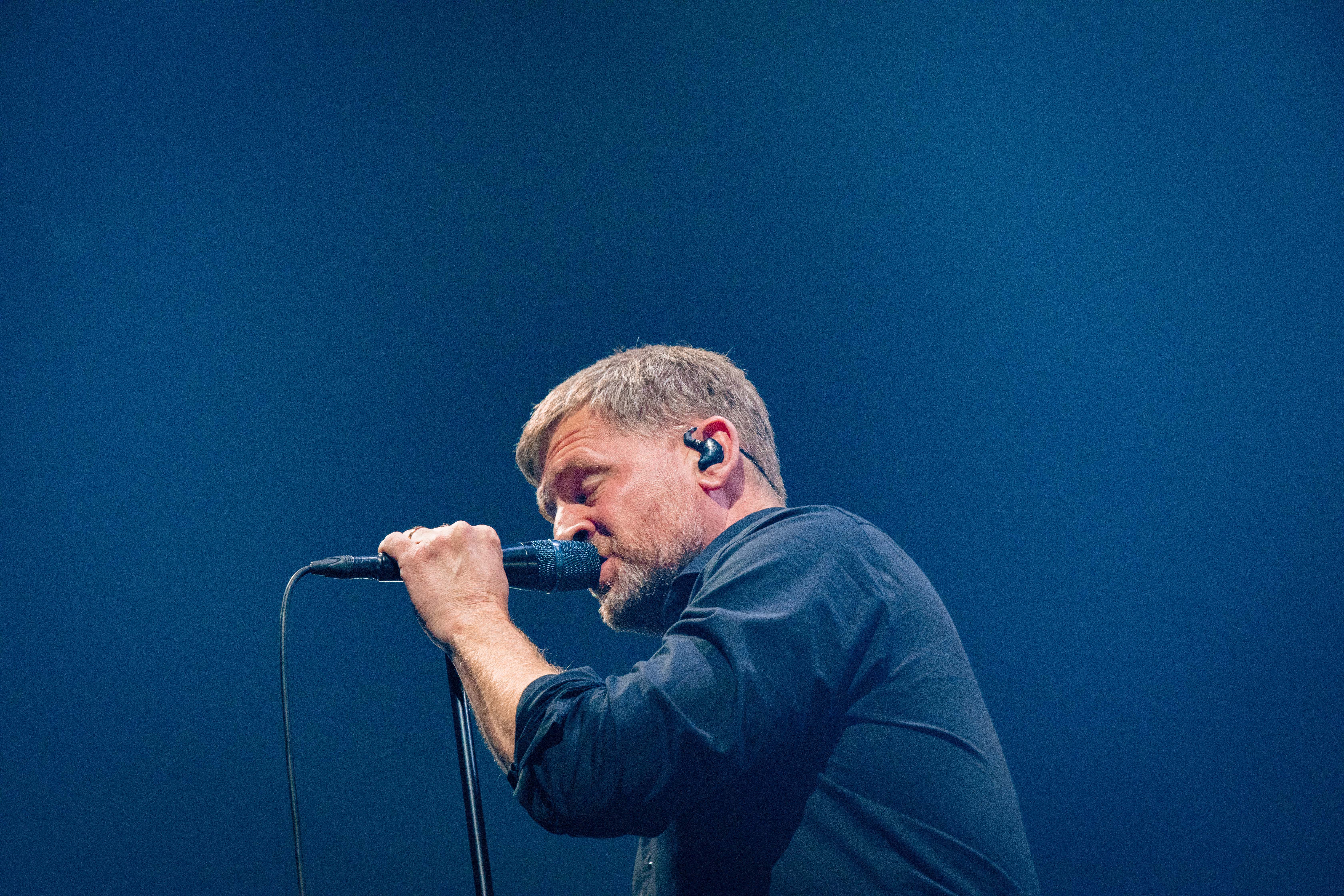
Drummer Paul Bukkens added: “The Spectera system has been a gamechanger for me. As a drummer, it’s crucial to hear every nuance of the music, and Spectera delivers that perfectly. The clarity and precision of the sound allow me to stay in sync with the rest of the band effortlessly. The sound now really has depth and definition, where everything has its own place in the sound image”.
“The best thing for us is if the band are happy and the sound is great, with good vibes from the audience, then we have a perfect evening. That’s what Marty and I are working for”, concluded Dijkstra.





Comments are closed