


We explore the progress made by DAB+ over the past year, the latest developments in digital radio and the challenges that still lie ahead


*This content is included in the July issue of TM BROADCAST. You can access the full magazine here.
Exactly one year ago, we used these pages to take stock of the state of digital radio and, more specifically, the DAB+ standard, which has established a significant presence across Europe, Asia-Pacific and other markets. At the time, we noted that, although its level of adoption could not be compared with that of Digital Terrestrial Television (DTT), DAB+ was experiencing a period of acceleration. One year on, what progress has been made? Where do things stand today?

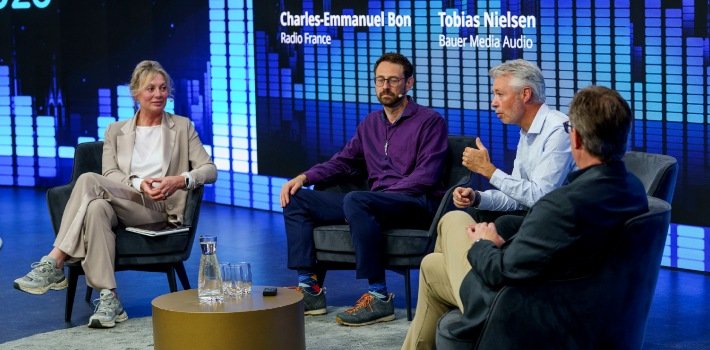
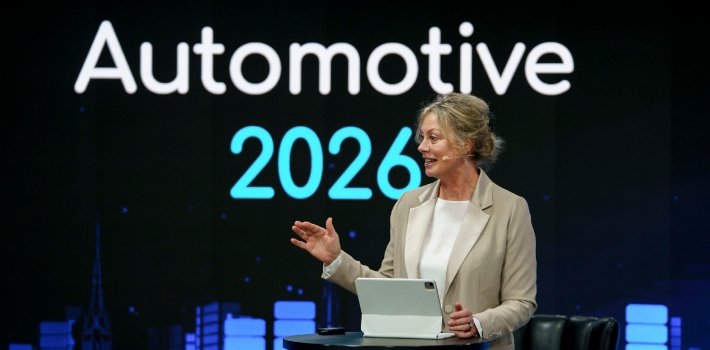
One figure illustrates the strength of the standard: global sales of DAB and DAB+ receivers have now surpassed 166 million units, according to new figures unveiled at WorldDAB Automotive 2026, held in Frankfurt on 11 June. The announcement was accompanied by new international consumer research confirming that radio remains a core part of the in-car experience and that drivers expect it to remain available, easy to find and simple to use. Against the backdrop of this event, we once again speak with WorldDAB President Jacqueline Bierhorst to explore the progress made over the past year, the latest developments and the challenges that still lie ahead.
In Europe, Bierhorst highlights several significant developments. In Ireland, the success of the new regional DAB+ multiplex has led to a second trial multiplex covering 85% of the population and carrying nearly 30 stations, including public broadcaster RTÉ. In Spain, the Draft Royal Decree on Digital Radio continues to progress through the legislative process and is expected to enter into force in December, while RTVE is planning six new DAB+ services. At the same time, well-established markets such as France and Germany continue to expand their coverage with dozens of new transmitters coming on air.
Progress also extends beyond Europe. Saudi Arabia has recently expanded coverage to nine additional cities and the major highways connecting them, while new trials are now on air in Thailand and Kenya.
The hybrid model, radio’s resilience compared with other alternatives, the implications of AI and the major challenges facing the medium are all part of the conversation. One statement from Bierhorst encapsulates much of this landscape: “IP and connected services can add great value, but broadcast remains the foundation that keeps radio universally available.”
The full interview follows below:
Since we last spoke, what would you highlight as the most significant milestone for WorldDAB and the DAB+ ecosystem over the past year?
It’s been a year of strong progress for DAB+ so it’s difficult for me to choose, but I would say our announcements at the recent WorldDAB Automotive event that over 166 million DAB or DAB+ sets have now been sold around the world. And that the new research we commissioned confirmed our belief that broadcast radio is the first choice for car buyers: it is essential, expected and embedded in the in-car experience.
“DAB+ is now present in around 60 countries, representing about one third of the world’s population, all at various stages of development — from established services to trials, regulation and growing interest”
Many European markets have made significant progress with DAB+, while others continue to move at a slower pace. How would you assess the current state of digital radio worldwide? Where have you seen the greatest momentum over the past year?
Across Europe we’re seeing great growth from markets at different stages of their digital radio journeys. In the last year, the success of Ireland’s new DAB+ regional multiplex has led to a second trial multiplex covering 85% of the population and carrying nearly 30 stations including the public broadcaster RTÉ. Meanwhile, in Spain the Draft Royal Decree on Digital Radio continues to progress through the legislative process and is expected to enter into force in December, with RTVE planning six new DAB+ services. And the well-established networks in France and Germany continue to expand coverage with dozens of new transmitters on air.
That growth is not just in Europe though. DAB+ is now present in around 60 countries, representing about one third of the world’s population, all at various stages of development — from established services to trials, regulation and growing interest. For example, Saudi Arabia recently expanded coverage to nine additional cities across the Kingdom, and major highways connecting them, and there are new trials now on-air in Thailand and Kenya.
WorldDAB’s latest research shows that broadcast radio remains the leading in-car audio source, with 83% of drivers still listening to it. Beyond the headline figures, what do you think is the single most important message broadcasters, car manufacturers and policymakers should take away from this research?
That car buyers believe broadcast radio belongs in cars. Drivers expect it, rely on it and value it — not only for entertainment, but also for trusted information, safety and connection. DAB+ is essential because it brings these strengths into the digital age: free-to-air, reliable, easy to access and designed for universal broadcast delivery.
The automotive industry has indeed long been one of the main drivers of DAB+. What progress has been made over the last year, and what challenges remain?
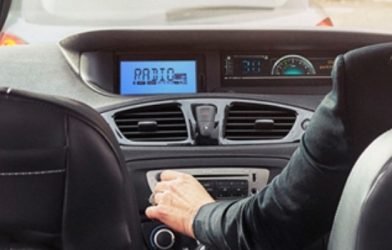
The dashboard is changing fast. I said at our Automotive event that the car is no longer just a vehicle with a radio receiver. It is becoming a connected, software-driven environment shaped by operating systems, apps, platforms, voice assistants, algorithms, subscription models and user-interface decisions.
Now I noted that that brings enormous opportunity. But it also brings risk, because if we are not careful, broadcast radio — one of the most used, trusted and expected services in the car — can become harder to find, harder to use, or less visible than it should be.
I am proud that with our new car buyer’s research, we’ve delivered hard evidence to make our case to the automotive sector. There’s more to be done though and WorldDAB will continue to work with broadcasters, automotive partners and policymakers to ensure broadcast radio remains prominent, easy to access and available for all drivers.
“Broadcast radio is the first choice for car buyers: it is essential, expected and embedded in the in-car experience”
In your opening speech at WorldDAB Automotive, you also said that the future is not a choice between broadcast and IP, but a hybrid model. What does that hybrid listening experience look like from the user’s perspective, and what role should broadcasters play in making it seamless?
In the car, hybrid radio offers benefits such as service following – the ability to seamlessly switch between broadcast platforms and IP, following the strongest signal; and high-quality visuals such as station logos, artist information, news, weather and commercials. It can also provide the listener with the ability to find out more about the content and offers the potential for greater personalisation.
The in-car user experience depends not only on the receiver or the interface, but also on broadcasters providing accurate, consistent and high-quality metadata: station logos, service labels, programme information, images and other data that make radio visible, findable and attractive in the dashboard.
WorldDAB maintains detailed UX guidelines for automotive manufacturers and broadcasters on how to deliver the best possible digital radio user experience, and I’d urge everyone to make sure their station is following them, and all the resources we make freely available on our website and through the WorldDAB Project Office.
In recent years, resilience has become a strategic priority for governments and broadcasters alike. Has this renewed focus strengthened the case for terrestrial broadcast radio compared with IP-only delivery?
Yes, for certain – because it is broadcast, it is free-to-air, and does not require a login, a subscription or a data plan. It can reach everyone at the same time. And it remains resilient when networks are congested or unavailable. IP and connected services can add great value, but broadcast remains the foundation that keeps radio universally available.
DAB+ also now offers our new Automatic Safety Alerts (ASA), which can protect the public during emergencies by delivering reliable safety alerts without requiring an internet connection. ASA operates automatically in the background, can be regionally adjusted for the location, and boasts high resilience thanks to the robust DAB+ radio transmission network.
“If we are not careful, broadcast radio — one of the most used, trusted and expected services in the car — can become harder to find, harder to use, or less visible than it should be”
What opportunities do you see for AI within the digital radio ecosystem?
Many of our innovative member organisations are already using AI in aspects of their work, such as production, translation, workflows, metadata, accessibility and optimisation, alongside support and training for staff in responsible usage.
I believe AI can be a useful tool to amplify human voices — helping broadcasters work more efficiently, make content more accessible, improve metadata and serve audiences better. But it should support, not replace, the human connection, trust and companionship that make radio unique.
Looking ahead five years, what do you expect will be the biggest challenge—and the biggest opportunity—for digital radio?
We undoubtedly live in increasingly unstable and uncertain times, which are a challenge for us all to navigate. I would echo what Sibyle Veil, CEO of Radio France and Chair of the EBU Radio Committee said at WorldDAB Automotive event that we must make sure there is “easy, universal and reliable access to trusted information.” And broadcast radio and DAB+ matters because of its unique resilience.
Finally, is there any message you would like to share with broadcasters, manufacturers and regulators who are still evaluating the transition to DAB+?
Earlier, this year, I was in Lithuania to speak at a lovely event celebrating 100 years of terrestrial radio broadcasting in Lithuania. I know that many countries have been, or will soon be, celebrating similar anniversaries. We are right to celebrate that history, but as a radio lover, I want to make sure that radio has a bright future too. I believe that adoption of DAB+ is a key part of securing radio’s future in today’s digital world. When supported by smart regulation, it can be a catalyst for strengthening the entire radio ecosystem and is proven to grow audiences and revenues.
“WorldDAB maintains detailed UX guidelines for automotive manufacturers and broadcasters on how to deliver the best possible digital radio user experience”





Comments are closed