


Olympic Broadcasting Services (OBS) is delivering an immersive coverage of the Milano Cortina 2026 Olympic Winter Games, leveraging drone cameras, AI-powered replays, cinematic production techniques and virtualised workflows. Aiming to introduce these new perspectives and focusing on safety as the top priority, the integration of drones has been developed in close consultation with athletes and International Sports Federations, as the International Olympic Committee has claimed in a statement.


“The single most important thing was to ensure safety and to be convinced that the athletes themselves embraced the idea and felt comfortable. And this is the case – they were excited”, explains Yiannis Exarchos, CEO of OBS.
Extensive testing programmes and venue-specific procedures were made to ensure that drone operations were fully aligned with competition requirements.
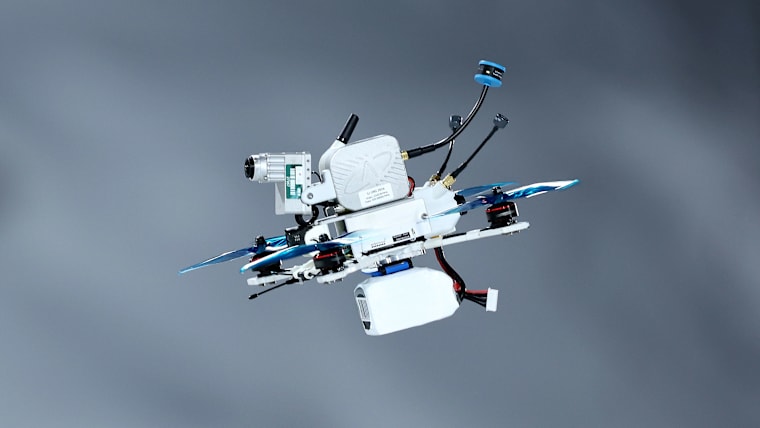
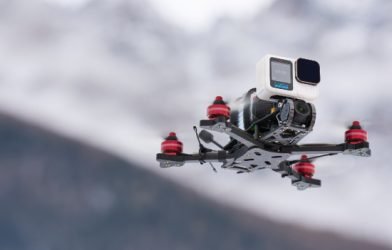
A total of 25 drones, including 15 first-person-view (FPV) drones, are operating across all outdoor sports and selected indoor sports such as speed skating.
“We saw an opportunity to bring the coverage of the sports into a new dimension”, notes Exarchos. “Especially for some of the winter sports, it was a great opportunity to really show and make people feel what it is actually like to practise these sports at this level”.
FPV drones now trail athletes along the course and track, aiming to offer viewers a more vivid sense of the speed and technique involved.
Artificial intelligence
The objective, Exarchos explains, is to serve the entire Olympic audience. “In the Olympic Games, probably more than half of the audience are casual viewers”, he remarks. “This is part of the value and the beauty of the Olympic Games – that they become the showcase of all sports”.
“For us, it’s not sufficient to produce very high-quality coverage just for dedicated sports fans. We have a very short period of time to make the sports understandable and attractive. We need to get people engaged.”
Cinematic cameras
Across the venues, cinematic cameras with a shallow depth of field are used with the intention of delivering tighter close-ups and distinctly visuals. At the same time, OBS continues to expand its cloud-based production infrastructure and broadcasting operations, working with Worldwide Olympic Partner Alibaba. Building on OBS Cloud, first launched in 2020 and enhanced for Beijing 2022 and Paris 2024, Milano Cortina 2026 is also working wirh cloud-based workflows.
These enable Media Rights-Holders to access, edit and deliver Olympic content remotely.
“Technology increasingly offers us a lot of opportunities,” explains Yiannis Exarchos, CEO of OBS. “But the Olympic Games are not about showcasing technology. They are about finding the most engaging ways of telling the stories of the biggest athletes in the world in the most efficient way possible”.







Comments are closed