



Secret Cinema’s production of Grease at Evolution London has used Sennheiser’s Spectera wideband wireless system. Having run from early August through the second week of September in Battersea Park, this immersive theatrical experience aimed to transport audiences into the world of Rydell High, as the company has claimed in a statement.


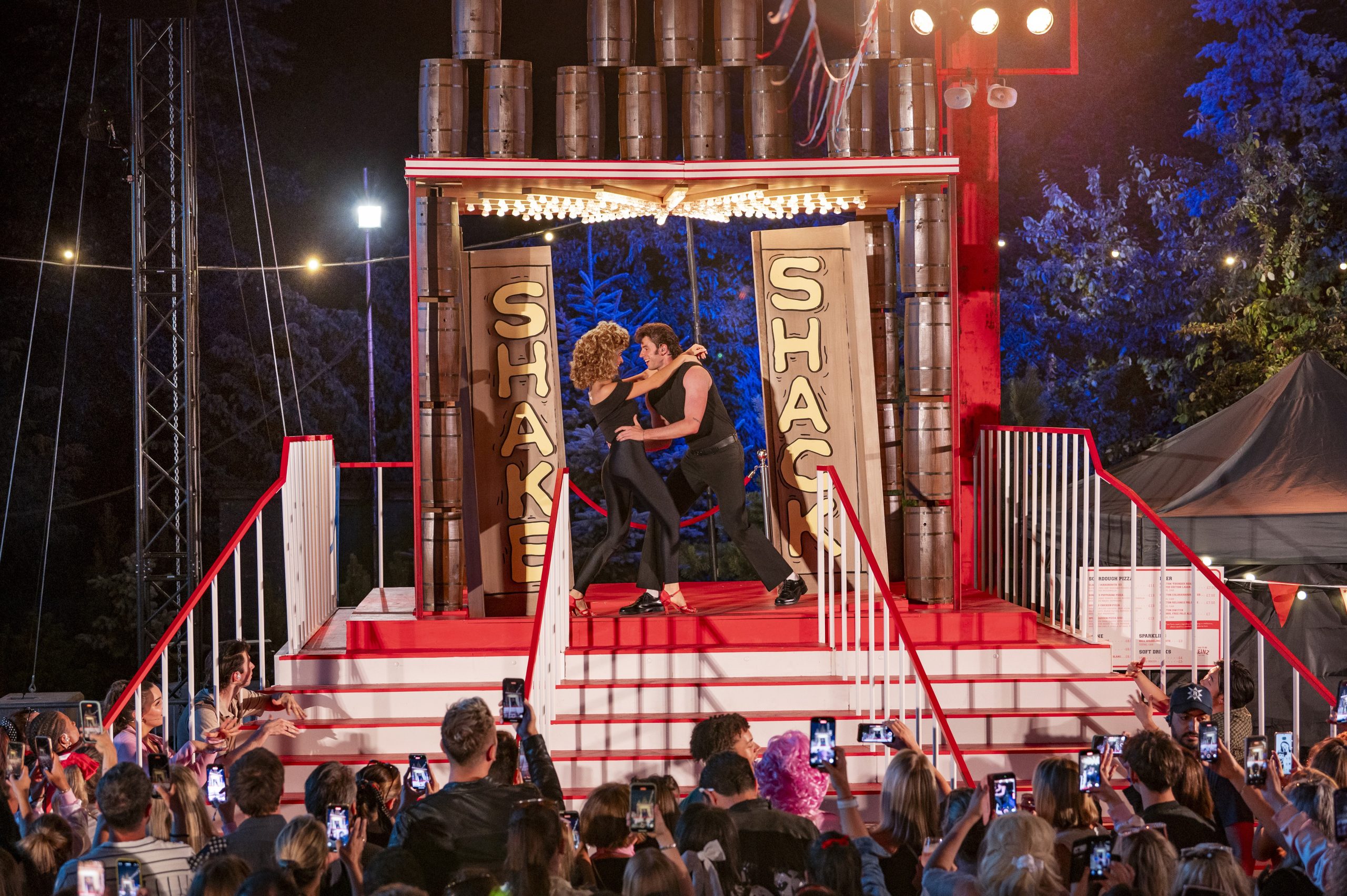
The set expanded across a large venue spanning 75m by 50m indoors and 50m by 50m outdoors. The production featured six different stages inside the venue and another five outside, including a full fairground setting complete with circus ride, bar area with dancers, Shake Shack, and a central podium stage. The performance culminated outside as audiences followed the cast through a funhouse, recreating the film’s famous finale.
Spectera is the world’s first wideband, bidirectional digital wireless ecosystem, offering up to 64 channels in a single unit. The system is designed with the intention of providing control over latency, audio quality, and range, while reducing equipment requirements through its bidirectional bodypacks that handle both microphone and in-ear monitor signals simultaneously.
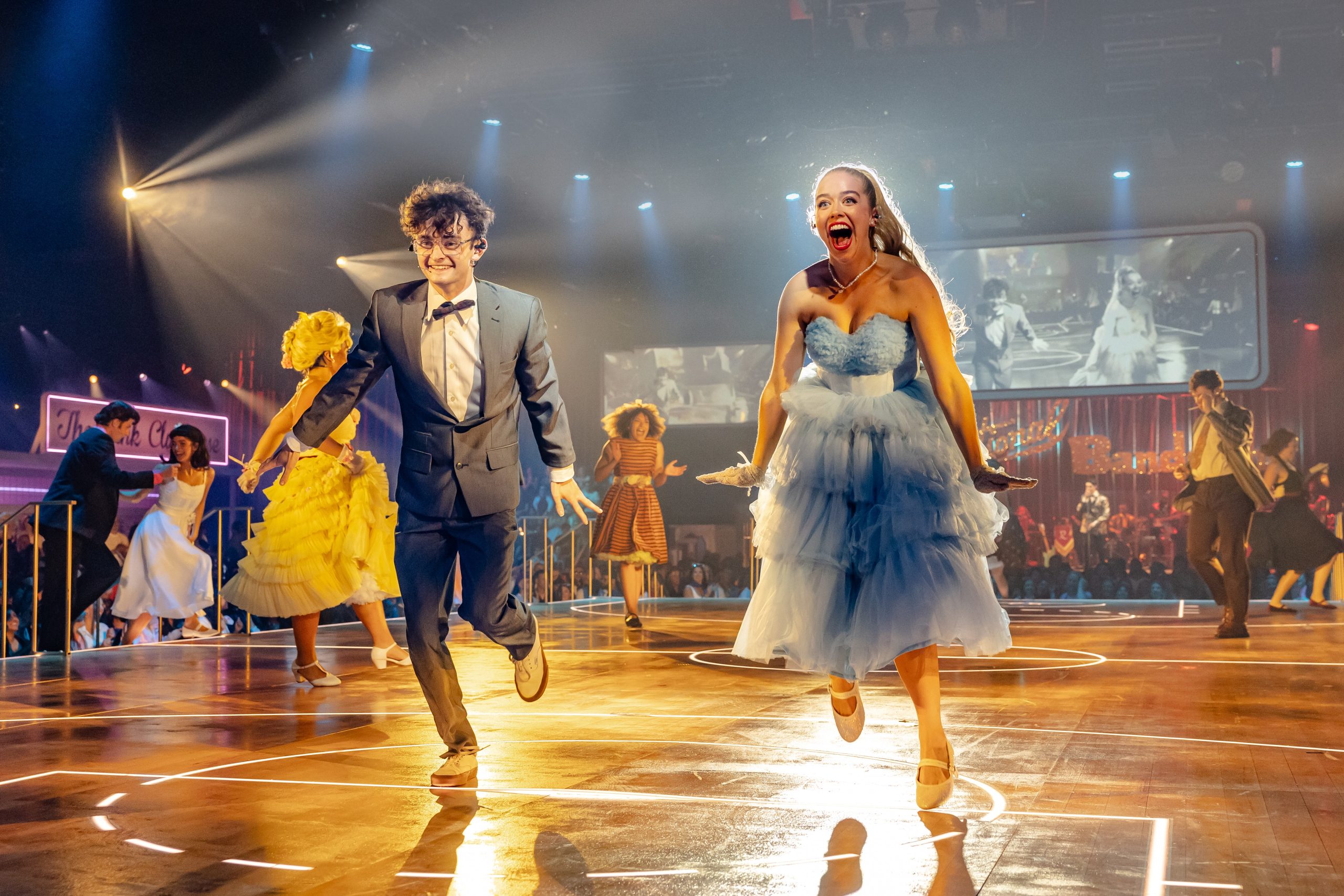
Sound Designer, Gareth Fry, explained the demands of the production: “It’s a massive venue. Everywhere is a stage, everywhere is an audience space. The performances and the audience are mingling with each other and that was one of the key points of the show – to create that immersive effect and make the audience feel like they’re completely in the world of Rydell High and iconic scenes from Grease”.
The Spectera system provided coverage for 30 cast members, delivering 40 microphone and 10 IEM mixes across the entire venue. This was achieved using two Base Stations and a total of eight DAD Antennas operating on two TV channels.
“This was us testing Spectera to its limits on its first big outing”, said Fry. “With the cast all wearing mics at the same time, to get that coverage using a traditional system would have been very difficult, expensive, and used up a lot of our time.”
Cast members employed a single beltpack that handled both microphone transmission and in-ear monitor reception. “When I did a briefing with the cast and told them they only needed one pack for both IEMs and microphone, they burst into spontaneous applause”, recalled Fry.
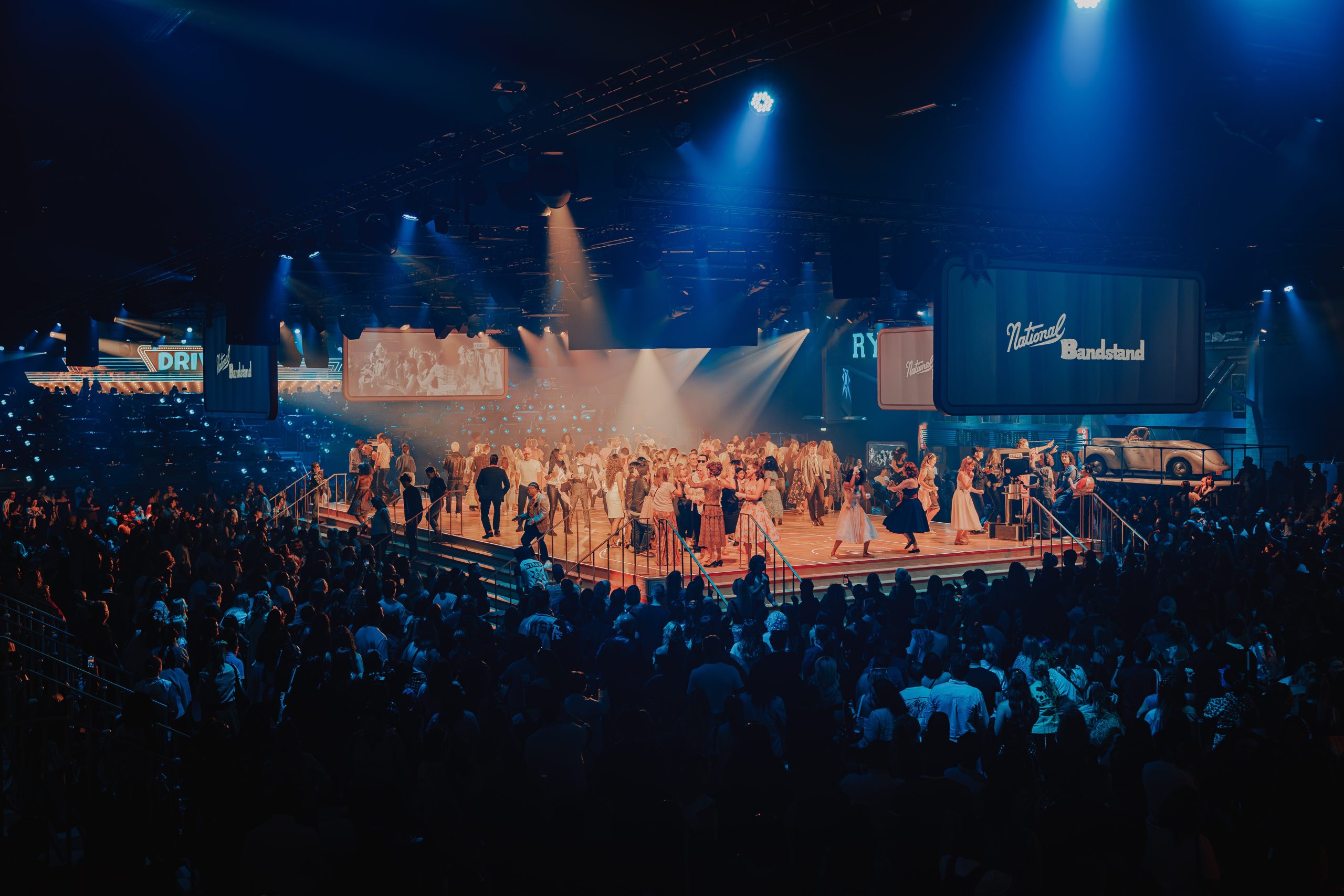
Marcus Blight, Technical Application Engineer at Sennheiser, provided support throughout the deployment. “The speed of the prep was significantly quicker, the ease of deployment is 20 times easier and less complicated, and the robustness of the system is 10 times better”, noted Blight. “The amount of electricity being saved by not having massive amplifiers is also a plus. We’re not pulling loads of current or having lots of active devices turned on in one space. There’s an argument to say that the system is more sustainable as a result”.
With performances timed precisely to the original film and featuring a combination of live action and pre-recorded elements, the wireless system needed to support cueing while delivering seamless coverage across diverse performance spaces.
“Because of the complexity of everything else, with loads of tracking and loudspeakers all over the place, the radio deployment had to be simple, and Spectera allowed this”, explained Blight. “The complexity of doing this kind of production with a narrowband system would have been significant”.
Stage Sound Services, the rental partner for the production, had been preparing for this moment. General Manager, James Lewis, and Senior Account Manager, Jonathan Everett, had pushed to secure Spectera delivery specifically for this show. Kevin Gwyther-Brown, Business Development Manager at Sennheiser, worked closely with Stage Sound Services throughout the process, building on extensive training sessions conducted earlier in the year.
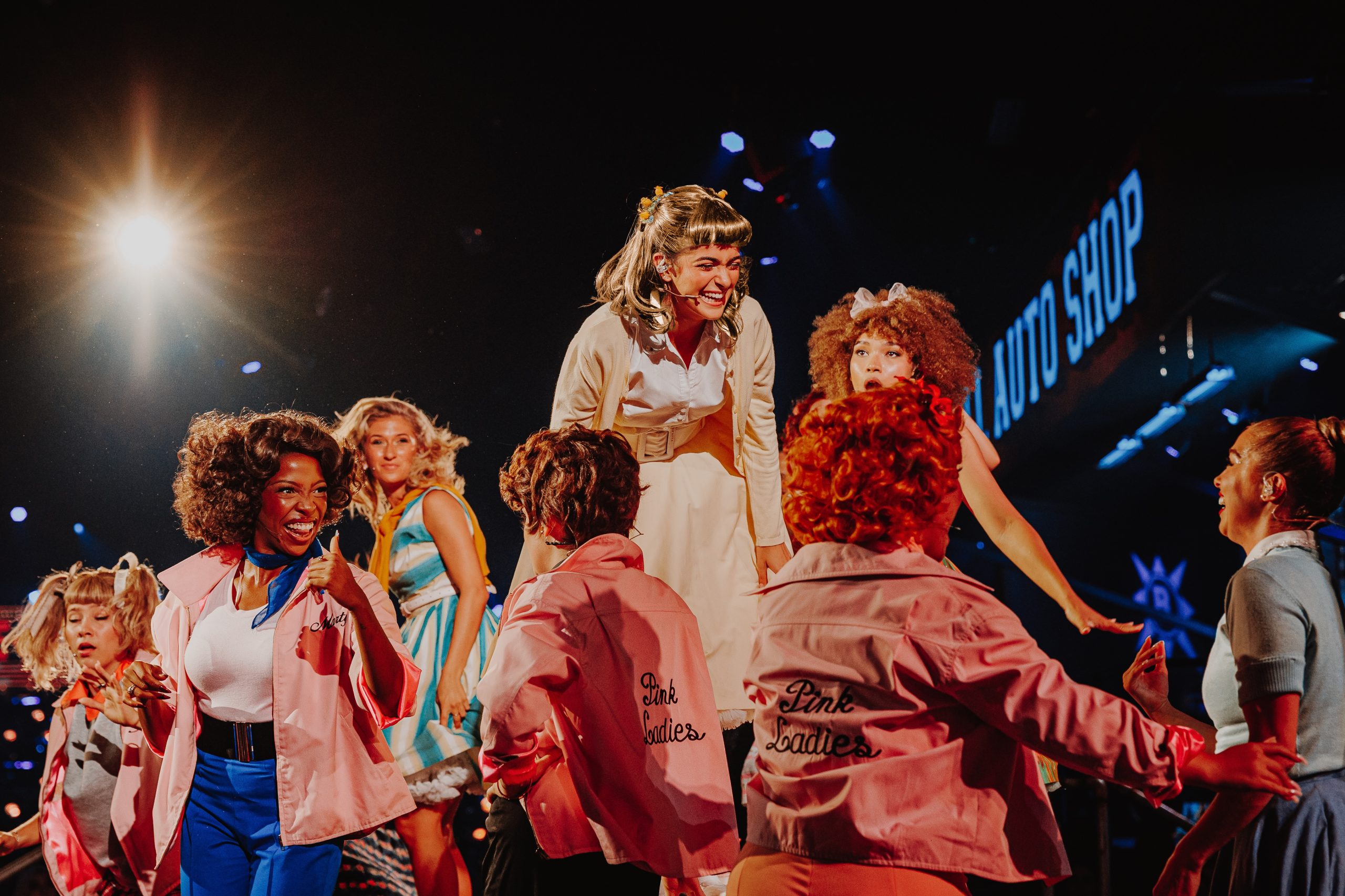
“The Sennheiser 6000 series has been pretty bulletproof in terms of a radio system, so when it came to Spectera, it was obvious that the build quality was going to be good”, affirmed Lewis. “Earlier this year, Marcus and Kevin delivered a session on the Spectera system as part of our Training Tuesdays programme. The session was both engaging and highly informative. While there was a lot to take in, given that Spectera is a completely different technology to the RF systems we’re more familiar with, it provided a valuable opportunity to get hands-on with the product, as well as build an understanding of the theory behind it”.
“It was also great to welcome students from a local university, giving them the chance to learn about the new technologies shaping our industry. The depth of technical knowledge Marcus brings on both RF and Spectera is very impressive, and he has a real ability to deliver that knowledge in a way that’s accessible and understandable for everyone”.
“Stage Sound Services has always been, and continues to be committed to Sennheiser and embracing new technologies”, Gwyther-Brown noted. “This production perfectly exemplified that partnership, with its team’s expertise and forward-thinking approach making the Spectera deployment a resounding success”.
The system’s monitoring capabilities provided insight into performer equipment status, as Fry explained: “It’s a two-way system that’s in communication with the control racks. With the IEMs, we could see from the control system if somebody had accidentally turned down their IEM headphone volume, and the system can detect if they’ve accidentally pulled the headphone plug out”.
Production Sound Engineer, Tom Lishman, emphasized the critical role the system played in the show’s success. “We completely relied on the IEM technology to keep the cast in time in this huge building, and it worked on every stage”. “I don’t think we could have achieved that with any other technology. We were aware we were doing things that hadn’t been done before”.
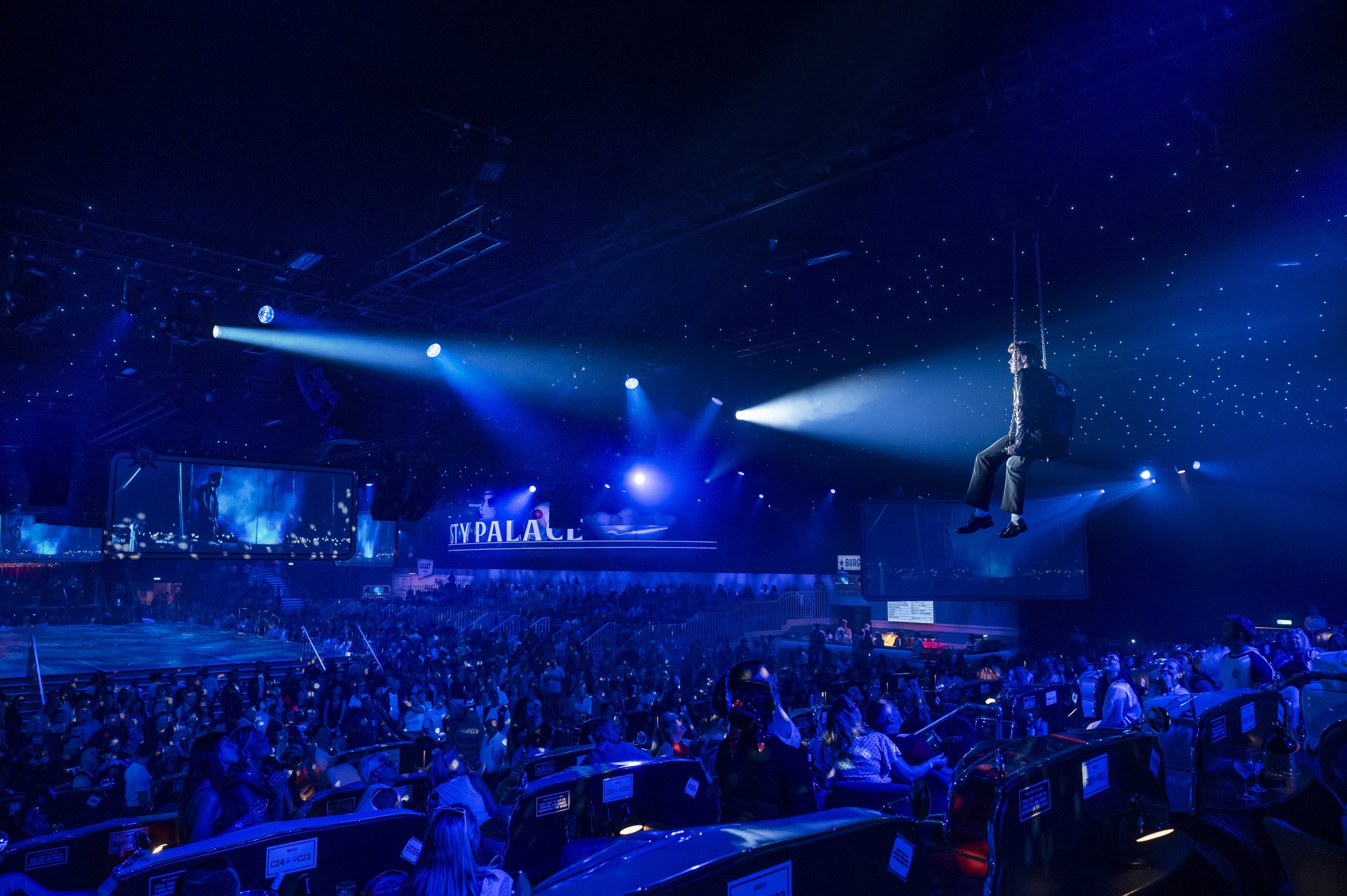
The deployment showcased Spectera’s flexibility in antenna connectivity, with outdoor antennas connected via fibre and internal antennas via Cat5e cable, with the two Spectera Base Stations themselves fitting within just 2U of rack space.
“The most impressive thing for us was the coverage area that it allowed, its flexibility, and its excellent sound quality”, concluded Lishman. “Needless to say, the quick setup also saved us a lot of time and effort”.
The production also utilised Sennheiser HM 200 headset microphones. “We’ve been doing eight or nine shows a week for a couple of months and it’s been rock solid”, reported Fry. “From a long term reliability point of view, it’s feeling very good”.





Comments are closed